|
|
马上注册,结识高手,享用更多资源,轻松玩转三维网社区。
您需要 登录 才可以下载或查看,没有帐号?注册

x
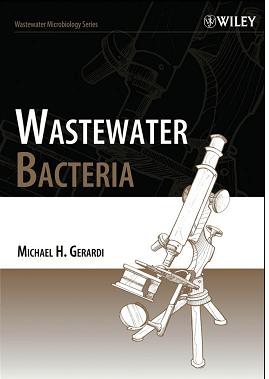
书名:Wastewater Bacteria
8 K% j9 J% u v/ n作者:Michael H. Gerardi& W4 v5 M' N" d! o' D5 }" V/ X
出版:WILEY
! W1 K6 |3 W/ O+ D+ g日期:2006& V4 M5 K6 R) |
页数:267
+ e: O* {7 e# C1 t/ i$ W v3 }ISBN-13: 978-0-471-20691-0 (cloth :alk.paper)
6 J/ c+ Z' ~/ @0 NISBN-10: 0-471-20691-1 (cloth :alk.paper)
& p: B# K# ~9 u2.09M,PDF格式
( W% \( @0 c( |7 V- ~内容
, I+ b# s4 _' jThe basic objectives of wastewater treatment are twofold: (1) Degrade organic
+ ^0 B& e; Q9 m+ R% P( Qwastes to a level where they do not exert a significant, dissolved oxygen demand
K6 r2 @6 k" {upon receiving waters and (2) remove nutrients (nitrogen and phosphorus) to levels
% J( N% C5 g' a* p8 n! H. |3 {where photosynthetic organisms in receiving waters are limited in their growth. In) E' f0 h2 p2 K0 Q: G2 a ~* G# R7 J
order to achieve these objectives, it is essential for plant operators to understand6 H. j: o* o# f. @) b& M6 J& Z
the biological processes and organisms involved in wastewater treatment to ensure, d8 e5 J7 Y2 V7 E" l7 X" P7 A
that the presence of an adequate, active, and appropriate population of bacteria is
& P5 W& J9 o+ C# i$ }present in each process.The bacteria are the organisms of primary concern in all5 J" d! n: a6 d8 g7 C
biological processes. However, bacteria in wastewater are not a monoculture but,' `/ S, k! G0 F# C
instead, a diversity of organisms that perform different roles and have different
1 k, b d+ r' }! \' |* _operational conditions that are best for their optimal activity and growth (i.e.,waste-
% W9 h! s/ R# s$ N' q7 uwater treatment).& q5 H7 F0 B4 F* Q% w3 V5 _
目录
3 t; M7 Z$ s: Y6 M4 B# jPART I BACTERIA AND THEIR ENVIRONMENT 1
" A1 x" m9 U/ i1 d" b7 ]- X! S1 Wastewater Microorganisms 3$ c4 C1 l4 F! p$ i' U% c, [/ Q) d
2 Microbial Ecology 11
/ ?- d; l; M- `% P& a3 Bacteria 19
& _* A4 [, x$ n& a+ d; E4 Bacterial Groups 33
. Y" J1 e" Q2 S$ t5 Bioaugmentation 41: ~& r: q4 v3 m7 b( t2 d
6 Pathogenic Bacteria 490 I$ B( b( i8 ^0 t N# y
PART II ENZYMES AND BACTERIAL GROWTH 53
2 a X# N1 w% ^+ |9 B7 s$ g* y7 Enzymes 55 q% [! }* @1 A4 o) ? R
8 Hydrolytic Bacteria 59
# i1 i+ {( `1 U* p! n# P2 A9 P$ c f9 Bacterial Growth 657 C3 k: e4 b1 n% O5 }2 A
PART III NITROGEN, PHOSPHORUS, AND SULFUR BACTERIA 759 r/ `) T F8 |) ^5 r7 [9 r
10 Nitrifying Bacteria 77, f! L5 C( i& x& D. B
11 Denitrifying Bacteria 91
4 V) H5 F6 b4 Z. l; e3 o% n+ B.............. |
|


 [复制链接]






 发表于 2008-7-27 14:05:48