|
|
马上注册,结识高手,享用更多资源,轻松玩转三维网社区。
您需要 登录 才可以下载或查看,没有帐号?注册

x
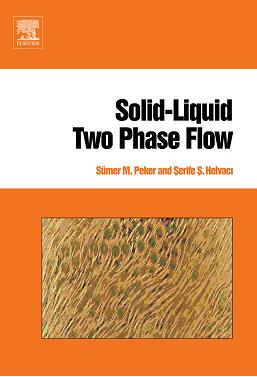
书名:Solid–Liquid Two Phase Flow
h6 ?) x/ r8 V2 V3 B' y* G- V作者:Sümer M. Peker% r) d& `6 P0 d
发行:Elsevier* ?: ^( a5 |, a1 N$ v
Radarweg 29, PO Box 211, 1000 AE Amsterdam, The Netherlands
8 f' q! y- |4 o' p8 ?Linacre House, Jordan Hill, Oxford OX2 8DP, UK, H* L" M- j$ J5 L8 R* R3 c
页数:535
5 P4 P6 O6 R2 \) ~' YISBN:978-0-444-52237-5
& A- Z# S; G8 R* a5 W4 ~) r共3个压缩卷,解压后6.09M+ X2 d8 }2 u( v6 \/ V
主要内容:3 s6 r5 [- r5 ^
Being an ‘underpinning technology’, fluid flow closely reflects and sometimes precedes, e8 T n- m5 Y
the developments of the ‘core technologies’ of the time. Only in the second half of 19th
8 K7 t8 `1 y# q! d. w' Vcentury that the term ‘two-phase flow’ was pronounced and added as a chapter to fluid
5 N- b2 e" M0 ]2 R/ Y! emechanics and unit operations books. At that time, two-phase flow term was used predominantly! H; X7 S- A. j! g# @# }
to denote gas–liquid flow, which is not coincidental, as the leading technologies
3 q9 z8 z4 I& f; Z) iwere nuclear and thermal, addressing mainly vapor–liquid systems. & L0 P7 A h' u w
目录7 S0 c! M" ]$ C- o/ Z
Preface . . . . . . . . . . . . . . . . . . . . . . . . . . . . . . . . . . . . . . . . . . . . . . . . . . . . . . . . . . . . . . . . . . vii
/ v8 @5 H8 b- ~; r0 w3 PList of Contributors. . . . . . . . . . . . . . . . . . . . . . . . . . . . . . . . . . . . . . . . . . . . . . . . . . . . . . . . . xvii( Z8 |/ ]& y; i- Y. Q0 d
1 The Particulate Phase: A Voyage from the Molecule to the Granule. . . . . . . . . . . . . 1
& [) `/ T% n5 i, |% F1.1 Molecular Interactions . . . . . . . . . . . . . . . . . . . . . . . . . . . . . . . . . . . . . . . . . . . . . . 1. C4 U$ \, Y: q1 u
1.1.1 Attractive forces among molecules . . . . . . . . . . . . . . . . . . . . . . . . . . . . . . . 43 X+ X8 V& U3 S7 r
1.1.2 Repulsive forces among molecules . . . . . . . . . . . . . . . . . . . . . . . . . . . . . . . 5
- z, H& o. K' B. ] ~' l1.2 Interactions of Electrical Origin Between Particles. . . . . . . . . . . . . . . . . . . . . . . . . 6# q) F- x. v' N3 r9 H" h3 G' X
1.2.1 Attractions between particles . . . . . . . . . . . . . . . . . . . . . . . . . . . . . . . . . . . 6# B+ Y( N: q! Q* k, }; R6 F2 S; K
1.2.2 Ionic interactions between charged surfaces . . . . . . . . . . . . . . . . . . . . . . . . 9
. e5 F2 E" r2 A1.2.3 The DLVO theory. . . . . . . . . . . . . . . . . . . . . . . . . . . . . . . . . . . . . . . . . . . . 14
' v6 r3 [& a9 N5 K2 d6 {/ Q' ^1.3 Interaction of Particles due to Non-DLVO Forces. . . . . . . . . . . . . . . . . . . . . . . . . . 17
" l9 \# X) q. R% @- {& s6 o- q1.3.1 Forces of entropic origin. . . . . . . . . . . . . . . . . . . . . . . . . . . . . . . . . . . . . . . 18- U8 j3 W! d: t- B* T% X$ z
1.3.2 Forces of energetic origin. . . . . . . . . . . . . . . . . . . . . . . . . . . . . . . . . . . . . . 24
: _( n2 D0 P5 @+ N H) p6 }# S1.4 Aggregation of Particles. . . . . . . . . . . . . . . . . . . . . . . . . . . . . . . . . . . . . . . . . . . . . 24
j0 q2 m q7 V9 q& S$ n7 [. {1.4.1 Kinetics of aggregation. . . . . . . . . . . . . . . . . . . . . . . . . . . . . . . . . . . . . . . . 26: r+ q- v' z: ^; ?3 ?) Y
1.4.2 Structure of aggregates. . . . . . . . . . . . . . . . . . . . . . . . . . . . . . . . . . . . . . . . 27! i' R0 w4 x. G* h- f2 V- ~
1.4.3 Role of polymers and polyelectrolytes on the coagulation of suspensions. . 32
9 b4 U4 S/ W4 [1.5 Aggregation of Ferromagnetic Particles . . . . . . . . . . . . . . . . . . . . . . . . . . . . . . . . . 368 G# s t( z0 W: n+ G
1.5.1 Effect of the direction of the magnetic field on the aggregate structure . . . . 38( Q+ l, P! q) F3 e1 k
1.5.2 Reversibility of aggregation . . . . . . . . . . . . . . . . . . . . . . . . . . . . . . . . . . . . 38* d' S$ J" [) J9 M4 v3 {- Q
1.5.3 Light-induced aggregation of ferrofluids. . . . . . . . . . . . . . . . . . . . . . . . . . . 39) b6 N" G. y: A/ X$ x7 p( s/ U, V
1.6 Formation of Glasses and Gels. . . . . . . . . . . . . . . . . . . . . . . . . . . . . . . . . . . . . . . . 39( s( g9 U$ L3 w0 i
1.6.1 The glassy state . . . . . . . . . . . . . . . . . . . . . . . . . . . . . . . . . . . . . . . . . . . . . 40! K& T/ Q E1 z2 R& V6 x' I. z
1.6.2 Formation of gels . . . . . . . . . . . . . . . . . . . . . . . . . . . . . . . . . . . . . . . . . . . . 41
0 B8 X9 s" q0 E. g8 Z J# w1.7 Self-Assemblies of Surfactants. . . . . . . . . . . . . . . . . . . . . . . . . . . . . . . . . . . . . . . . 42
3 H9 H9 l: k2 [& O9 N1.7.1 Thermodynamics of self-assembly of surfactants . . . . . . . . . . . . . . . . . . . . 45
1 H# `5 `1 V' b: |2 j7 R1.7.2 Self-assemblies in solution . . . . . . . . . . . . . . . . . . . . . . . . . . . . . . . . . . . . . 46/ J5 H6 X, v* y; e, t
1.7.3 Self-assemblies on solid surfaces . . . . . . . . . . . . . . . . . . . . . . . . . . . . . . . . 49
- i& p- i7 ]( H. C2 p* A& H* x& J1.8 Stabilization of Suspensions. . . . . . . . . . . . . . . . . . . . . . . . . . . . . . . . . . . . . . . . . . 50
- d2 }& r9 ~& q5 K4 u! p) J1.8.1 Stabilization by surfactants. . . . . . . . . . . . . . . . . . . . . . . . . . . . . . . . . . . . . 50: H# s2 E9 {. y+ Z
1.8.2 Stabilization by polymers and polyelectrolytes . . . . . . . . . . . . . . . . . . . . . . 55+ i) e+ Y+ K% p' l! V1 \" D
1.8.3 Stabilization by nanoparticles. . . . . . . . . . . . . . . . . . . . . . . . . . . . . . . . . . . 58: @! Z m9 v" l& z4 X4 i3 |1 J
1.9 Aggregation in Biological Systems. . . . . . . . . . . . . . . . . . . . . . . . . . . . . . . . . . . . . 59
# c# o+ e- i' s/ R/ \1.9.1 Aggregation behavior of blood cells . . . . . . . . . . . . . . . . . . . . . . . . . . . . . . 59- |, V6 I- T, `; ^+ \% W
1.9.2 Aggregation of microorganisms . . . . . . . . . . . . . . . . . . . . . . . . . . . . . . . . . 653 N Z+ h4 w- a
2 Non-Newtonian Behavior of Solid–Liquid Suspensions . . . . . . . . . . . . . . . . . . . . . . . 71
3 `6 }' B9 [8 _# z2.1 Viscoelasticity . . . . . . . . . . . . . . . . . . . . . . . . . . . . . . . . . . . . . . . . . . . . . . . . . . . . 71
2 L# T2 L- e+ ]2.1.1 Effect of viscoelasticity on flow behavior . . . . . . . . . . . . . . . . . . . . . . . . . . 72; Y1 @4 P2 H: x* q
2.1.2 Assessment of viscoelasticity . . . . . . . . . . . . . . . . . . . . . . . . . . . . . . . . . . . 755 d4 Z5 c* v! _) | ^6 W$ {
2.1.3 Dynamic methods in the assessment of viscoelasticity . . . . . . . . . . . . . . . . 76& F, \# o. h/ @8 ?" e) d' D
2.2 Rheological Models of Time-Independent Non-Newtonian Fluids . . . . . . . . . . . . . 866 p; V" y. V* v+ l; g% n
2.2.1 Models which describe the rheological behavior with a / x/ a4 w" c. }6 Q" F) x
viscosity function . . . . . . . . . . . . . . . . . . . . . . . . . . . . . . . . . . . . . . . . . . . . 87( h, B9 y# K9 U. m$ \
2.2.2 Models for fluids with a yield stress . . . . . . . . . . . . . . . . . . . . . . . . . . . . . . 901 g( ?' L( v3 R7 i
2.2.3 Models for specific end-use . . . . . . . . . . . . . . . . . . . . . . . . . . . . . . . . . . . . 92
, l# R& k6 p$ c0 D2 j! Z7 B' |+ _2.2.4 Significance of the terms used in the constitutive equations . . . . . . . . . . . . 94
, G& a2 U" F$ N5 e2.3 Flow of Non-Newtonian Fluids through Cylindrical Pipes . . . . . . . . . . . . . . . . . . . 95
, D) W- [# @, @5 u% n6 U% q* P2.3.1 Laminar flow of non-Newtonian fluids. . . . . . . . . . . . . . . . . . . . . . . . . . . . 97
O$ s7 ~6 e8 W, a% H9 W/ c2.3.2 Turbulent flow of non-Newtonian fluids . . . . . . . . . . . . . . . . . . . . . . . . . . . 1217 ~ y2 x2 b3 d* N$ w U
2.3.3 Flow through sudden expansions and fittings . . . . . . . . . . . . . . . . . . . . . . . 135" b9 R8 K/ e, T; l
2.4 Flow through Noncylindrical Channels. . . . . . . . . . . . . . . . . . . . . . . . . . . . . . . . . . 1410 F: P- e% f9 x
2.4.1 Flow through annular channels. . . . . . . . . . . . . . . . . . . . . . . . . . . . . . . . . . 141
5 q+ ]# R( {: {1 U6 V9 L2.4.2 Flow through rectangular channels . . . . . . . . . . . . . . . . . . . . . . . . . . . . . . . 153
& C9 }) a: q I: ~- f2.4.3 Flow in microchannels . . . . . . . . . . . . . . . . . . . . . . . . . . . . . . . . . . . . . . . . 157- X8 N% F- S" n. s7 g: X, j- P# P
2.4.4 Flow in open channels . . . . . . . . . . . . . . . . . . . . . . . . . . . . . . . . . . . . . . . . 160
* h) _6 U; |8 F7 r- Y& b . . . . . . . . . .
* }) V; ?% ?% r8 Classification and Separation of Solid–Liquid Systems . . . . . . . . . . . . . . . . . . . . . . . 439* x9 g7 `+ B5 `4 G# w
8.1 Classification and Separation in a Gravitational Field. . . . . . . . . . . . . . . . . . . . . . . 439
& i( {4 r6 U) t0 |: \, x8.1.1 Sedimentation as a separation process. . . . . . . . . . . . . . . . . . . . . . . . . . . . . 440
: g+ [6 r, C5 C- X* S) d& D" n8.1.2 Fluidization as a separation process . . . . . . . . . . . . . . . . . . . . . . . . . . . . . . 443
9 r# s7 w# P: H, {* t7 f" s8.1.3 Classification in hydrocyclones. . . . . . . . . . . . . . . . . . . . . . . . . . . . . . . . . . 448
: R. X- L) ^& l! q8.2 Separation in a Magnetic Field. . . . . . . . . . . . . . . . . . . . . . . . . . . . . . . . . . . . . . . . 457% d( c$ V5 Z% V9 [( S
8.2.1 Separation of magnetic particle. . . . . . . . . . . . . . . . . . . . . . . . . . . . . . . . . . 4595 c: L) P6 e Y0 e) H* J2 h% E
8.2.2 Separation of nonmagnetic particles in a magnetic medium . . . . . . . . . . . . 4597 x7 ^7 q! u7 G$ w/ t
8.3 Separations in the Microscale. . . . . . . . . . . . . . . . . . . . . . . . . . . . . . . . . . . . . . . . . 459
! N* h6 G, B2 z0 l- V4 A5 Z" e8.3.1 Field flow fractionation techniques. . . . . . . . . . . . . . . . . . . . . . . . . . . . . . . 460 a" | |7 G+ A; u4 j
8.3.2 Separations in flow through microfluidic bifurcations. . . . . . . . . . . . . . . . . 460* t: ~4 Q, F4 x6 h
8.3.3 Ultrasonic separations. . . . . . . . . . . . . . . . . . . . . . . . . . . . . . . . . . . . . . . . . 4612 H! v0 X1 y2 ~/ G; g1 ~# p* m3 |
8.3.4 Separations based on magnetic properties. . . . . . . . . . . . . . . . . . . . . . . . . . 465
/ B6 ]+ P+ `7 E- S5 c9 K8.3.5 Separations based on electrical properties. . . . . . . . . . . . . . . . . . . . . . . . . . 466, [- i* D+ u: Q7 [
Appendix A Mathematical Operations . . . . . . . . . . . . . . . . . . . . . . . . . . . . . . . . . . . . . . . . . 4717 c9 v, S4 z# L: m6 W
Appendix B Population Balances . . . . . . . . . . . . . . . . . . . . . . . . . . . . . . . . . . . . . . . . . . . . . 493
; m' B7 Y$ n! _, d- G5 v4 d8 {Appendix C Tables for Use in Plug Flow in an Annulus . . . . . . . . . . . . . . . . . . . . . . . . . . . . 5031 y% A7 H; G* @4 m1 r9 \2 @
Index . . . . . . . . . . . . . . . . . . . . . . . . . . . . . . . . . . . . . . . . . . . . . . . . . . . . . . . . . 509
" n: M N: G1 j& s8 g+ _9 i3 {7 } |
评分
-
查看全部评分
|


 [复制链接]






 发表于 2008-7-3 09:10:30